Deviation
What is an anomaly?
A deviation (also called non-conformity) is the failure to meet a requirement. These can be requirements from laws and regulations, customers or internal agreements within an organization. A nonconformity can occur in processes, products or working methods.
When do you speak of an anomaly?
A deviation occurs when something does not meet what has been agreed upon or established. This may be the case, for example:
- A process not performed according to procedure
- A product that does not meet specifications
- Incomplete or incorrect records
- Failure to comply with internal or external guidelines
Deviation in practice
The example below shows how an organization deals with an anomaly.
During an audit, it appears that a work process was not performed according to the agreed upon procedure.
- The deviation is recorded
- The impact is assessed
- The deviation is corrected
- The cause is being investigated
- Measures are taken to prevent recurrence
How do you deal with an anomaly?
When a deviation occurs, it is important to manage and resolve it. This means correcting the deviation and preventing the consequences from increasing further.
In addition, the cause is investigated so that targeted corrective action can be taken to prevent recurrence.
Deviations and digitization
Recording and monitoring deviations becomes easier when this is done digitally. Recording deviations, cause analyses and measures in a single system provides better insight and grip on improvement processes.
LeanForms supports this with digital forms and workflow management, allowing deviations to be recorded and tracked in a structured manner.
FAQ
These are the questions we hear most often about deviations, with answers.
A deviation within ISO 9001 is failure to meet a requirement within the quality management system.
An error is a concrete problem, while a deviation is broader and refers to failure to meet established requirements.
These are measures taken to eliminate the cause of an anomaly and prevent its recurrence.
Yes, organizations must respond to anomalies and take appropriate measures to correct and control them.
Related items

ISO 9001:2026: Change or Real Improvement?
ISO 9001:2026 will be published on September 16, 2026. What changes are being made, and what do they mean for your quality management system?

NIS2 and Dutch SMEs
Cybersecurity has long since ceased to be a matter solely for the IT department. With the enactment of the Cybersecurity Act, digital resilience has explicitly become the responsibility of board members and executive management.
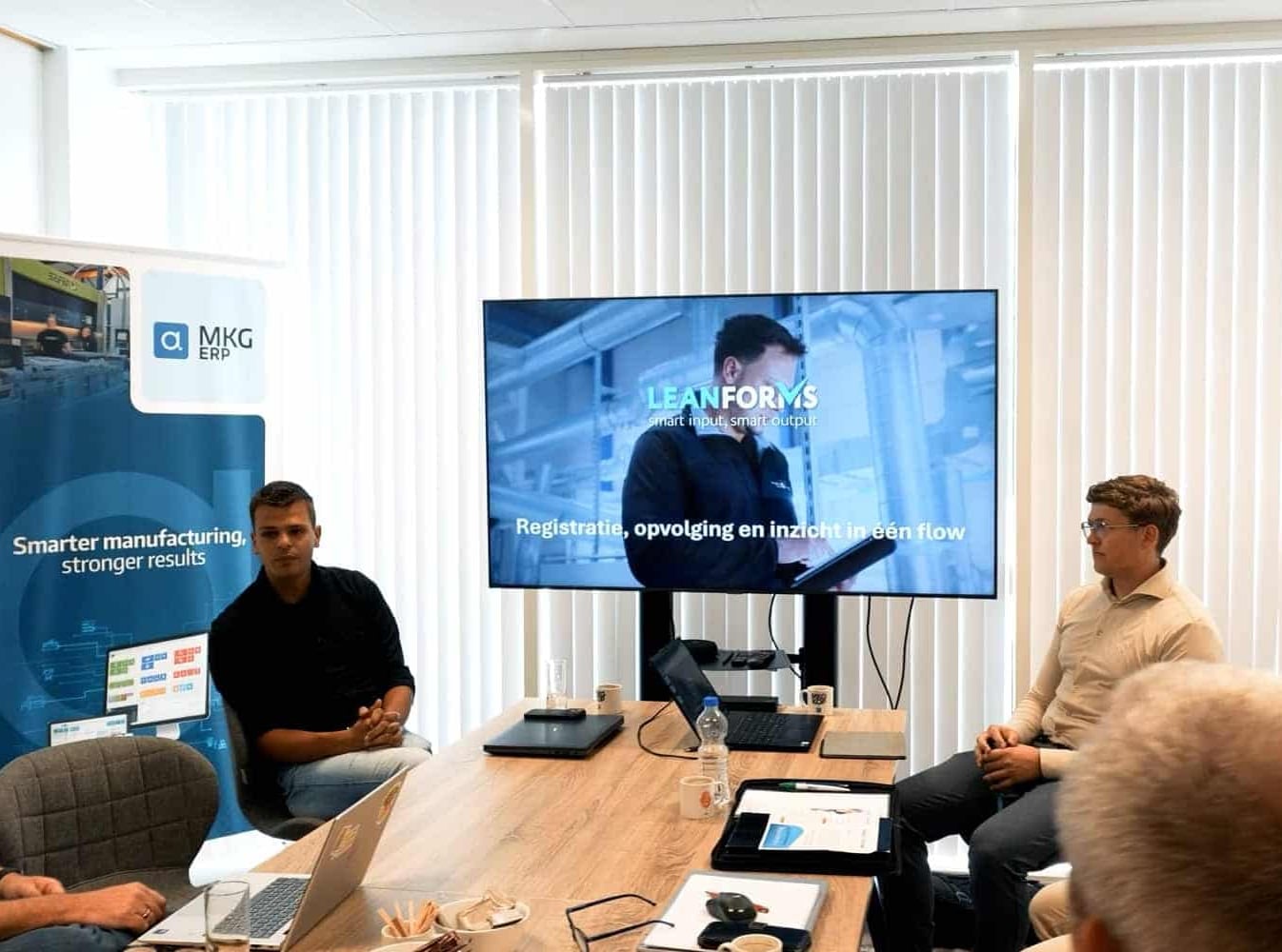
MKG & LeanForms Inspiration Afternoon
When shop floor data, process knowledge, and systems come together, clarity emerges. This interconnection was the focus of the MKG and LeanForms inspiration afternoon on July 1, 2026. At the Brainport Industries Campus (BIC) in Eindhoven, the discussion centered on how to make information from the field immediately usable within your processes.
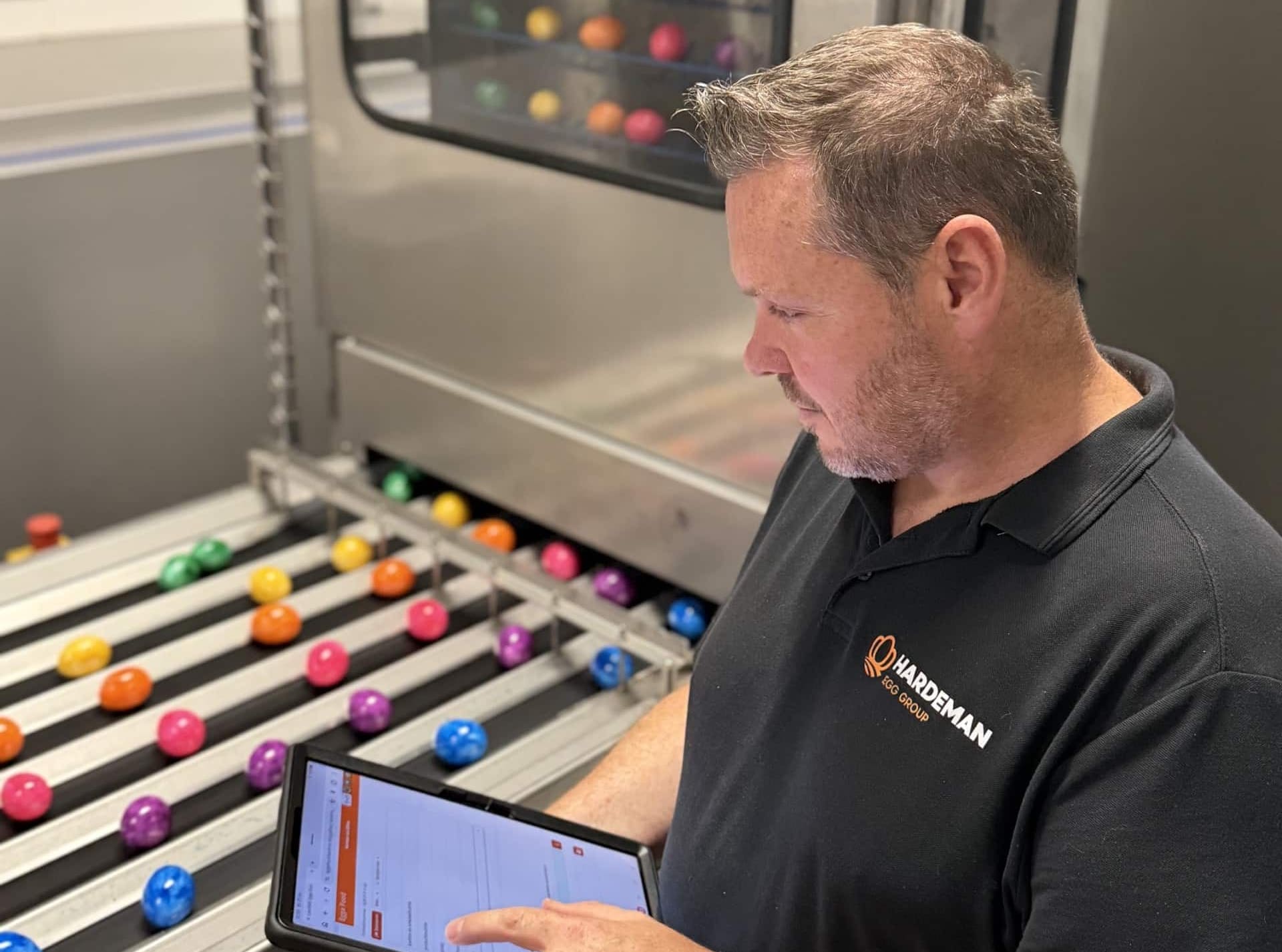
Customer Testimonial: Egga Food
Egga Food processes eggs and egg products for the retail, foodservice, and food-processing industries. Its three production facilities produce, among other things, fresh, hard-boiled, peeled, and dyed eggs.
Want to know more? Get in touch
Do you have questions or are you curious how LeanForms can support your organization? We are ready to answer all your questions! Get instant specialized advice on the best solution for your specific situation.

Tailor made solutions
No standard approach, but customized solutions. LeanForms adapts to your processes, not the other way around. Digitize smarter, work more efficiently and maintain full control, without IT complexity. From smart forms to automated workflows: We provide a solution that really works for your organization….