API
What is an API?
An API (Application Programming Interface) is a link that allows different software applications to communicate with each other and exchange data. An API allows systems to automatically retrieve, transmit or process information without having to do it manually.
When do you use an API?
An API is used when you want systems to work together and exchange data automatically.
This plays out, for example:
- Linking software such as ERP, CRM or other systems
- Automating data exchange
- Preventing double entry
- Real-time synchronization of data
APIs are the basis of many integrations between systems.
API in practice (example)
An organization operates an ERP system and a digital forms application.
- Data from the ERP system is retrieved via an API
- This data is automatically entered into a form
- After processing, results are returned to the ERP system
- The information is readily available to other processes
How does an API work? An API allows systems to communicate with each other in a standardized way. A system sends a request to another application via the API. The API processes this request and sends back an answer (response) with the requested data or a confirmation. This process occurs automatically and in the background, allowing systems to work together efficiently.
API and digitization
APIs play an important role in digitizing and automating business processes. Connecting systems together creates one integrated whole instead of separate applications.
LeanForms supports this with integrations, allowing data to be automatically exchanged between systems. In doing so, LeanForms also builds its own APIs to enable specific links, tailored to the organization’s processes.
FAQ
API stands for Application Programming Interface.
An API allows systems to communicate with each other automatically, reducing manual work and errors.
An API is a way to establish a link. Not every link is an API, but many modern integrations use APIs.
An API is used to allow systems to communicate with each other so that data can be exchanged automatically. This allows processes to run more efficiently and reduces the need for manual input.
LeanForms allows you to link digital forms to other systems. Data can thereby be automatically retrieved or transferred, reducing manual input and making processes more compatible. In practice, this means that information is immediately available at the right place in the process, such as at our client WTH.
Related items
NIS2 and Dutch SMEs
Cybersecurity has long since ceased to be a matter solely for the IT department. With the enactment of the Cybersecurity Act, digital resilience has explicitly become the responsibility of board members and executive management.
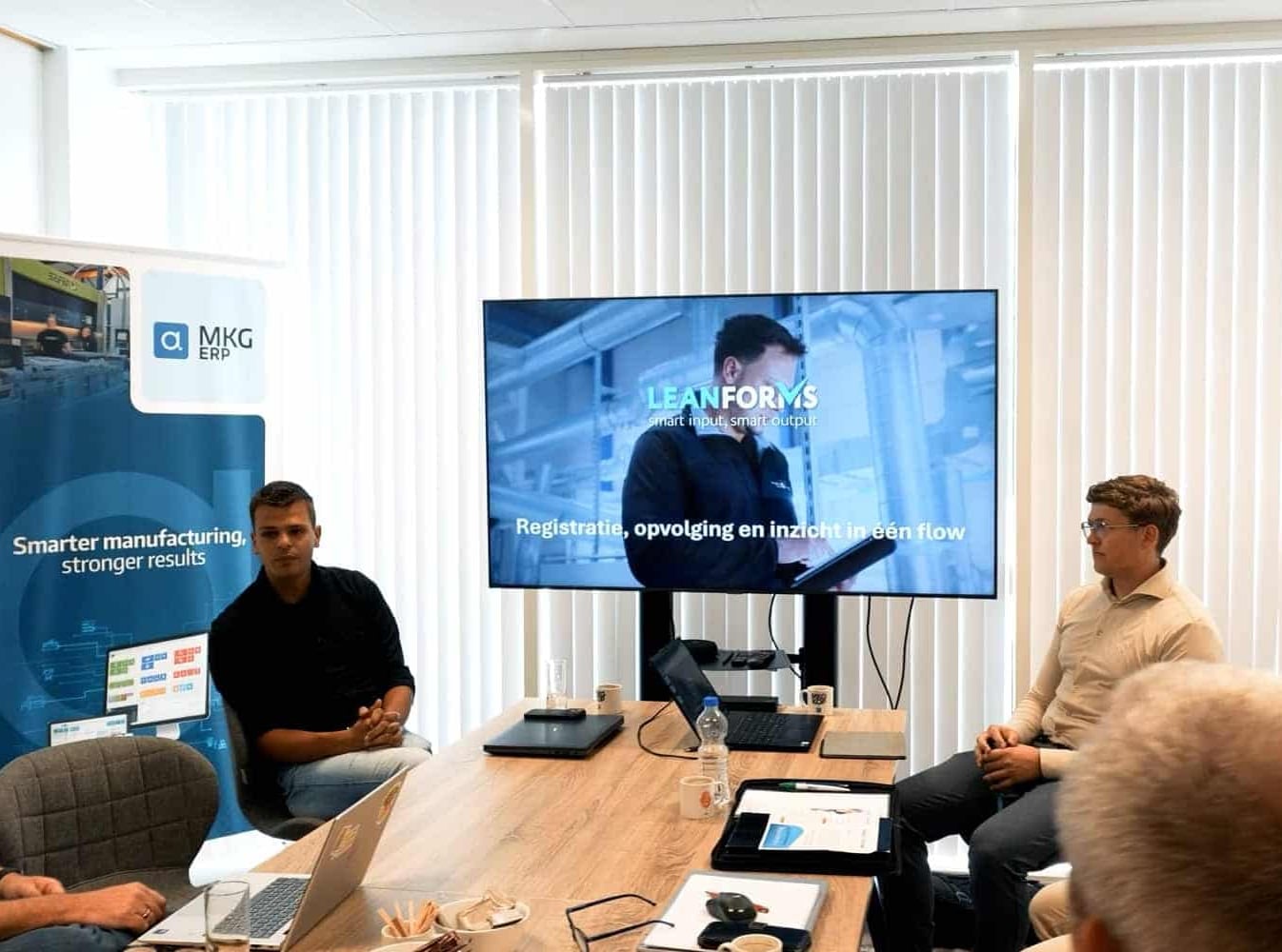
MKG & LeanForms Inspiration Afternoon
When shop floor data, process knowledge, and systems come together, clarity emerges. This interconnection was the focus of the MKG and LeanForms inspiration afternoon on July 1, 2026. At the Brainport Industries Campus (BIC) in Eindhoven, the discussion centered on how to make information from the field immediately usable within your processes.
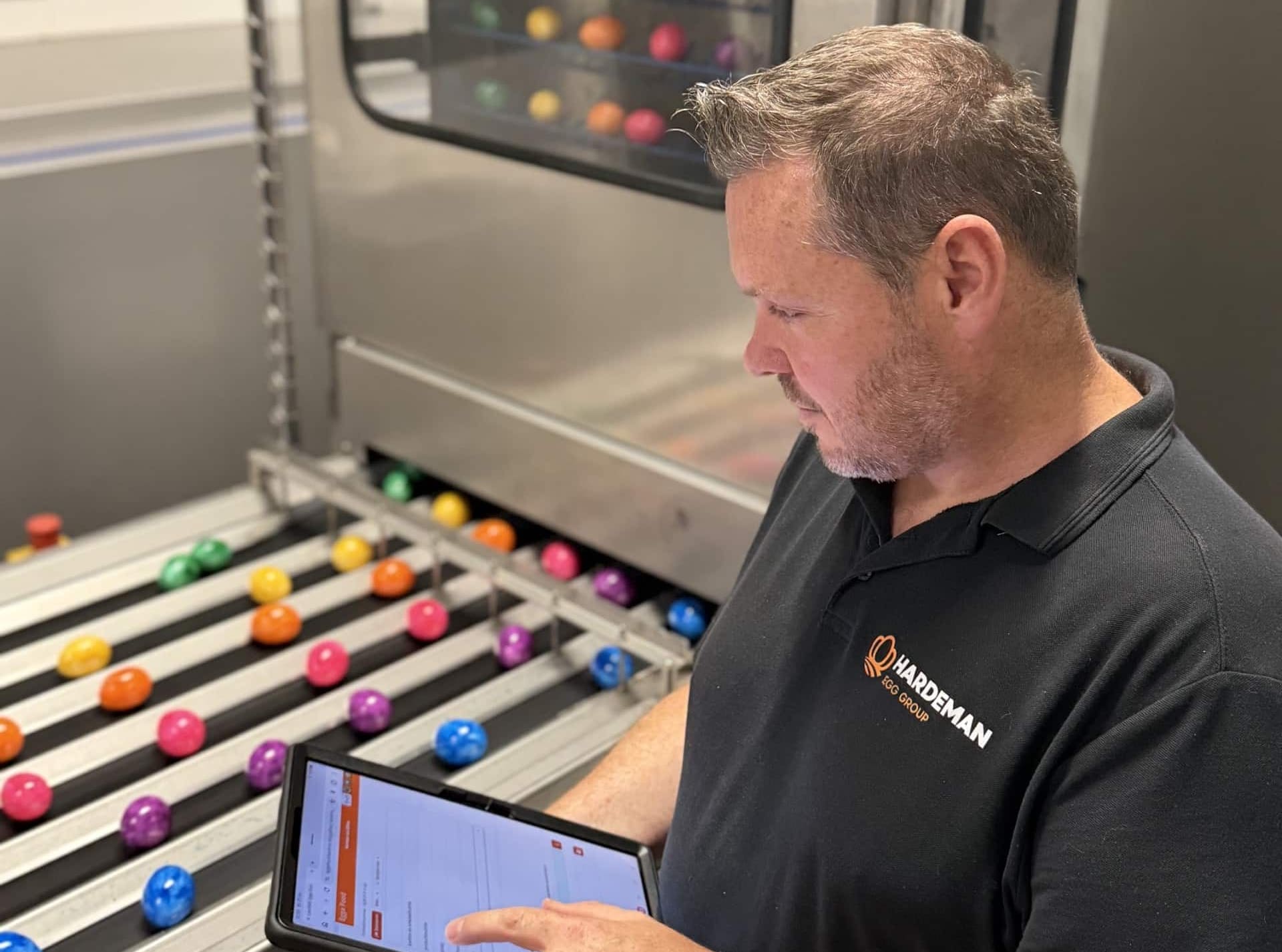
Customer Testimonial: Egga Food
Egga Food processes eggs and egg products for the retail, foodservice, and food-processing industries. Its three production facilities produce, among other things, fresh, hard-boiled, peeled, and dyed eggs.

What is quality management system?
Quality management is a catch-all term for many business owners. It is seen by managers as a necessary evil to hang the certificate on the wall. A proof of good behavior for the customers. However, if the principles of quality management are properly applied, they contribute daily to more efficient operations. And therefore to the bottom line. This is precisely why every organization can benefit from practical quality management. And surely that makes everyone happy.
Want to know more? Get in touch
Do you have questions or are you curious how LeanForms can support your organization? We are ready to answer all your questions! Get instant specialized advice on the best solution for your specific situation.

Tailor made solutions
No standard approach, but customized solutions. LeanForms adapts to your processes, not the other way around. Digitize smarter, work more efficiently and maintain full control, without IT complexity. From smart forms to automated workflows: We provide a solution that really works for your organization….