LMRA
What is an LMRA?
LMRA stands for Last-Minute Risk Analysis. It is a brief risk analysis that an employee performs immediately before starting work, right at the worksite.
During an LMRA, the employee assesses the current situation. Are the risks known? Have the appropriate safety measures been taken? Are the necessary resources and personal protective equipment available? Work can begin only once it can be performed safely.
An LMRA is not a comprehensive analysis, but a practical safety check. The assessment is primarily intended to identify risks that may arise from changes in circumstances, the environment, or the work itself.
When do you conduct an LMRA?
An LMRA is conducted before work begins. It is also important to perform another brief safety check whenever work resumes or the work situation changes.
For example:
- Work at a new location
- changing weather conditions
- different equipment or tools
- work being performed by other parties in the vicinity
- a change in the task or work method
- an interruption in work
By consciously taking a moment to reflect on the situation at such times, employees can identify risks before they lead to an incident.

Conducting an LMRA: Stop, Think, and Act
Many organizations use a simple process to conduct an LMRA:
- Stop
Before starting work, take a moment to assess the situation. Make sure you know what tasks you’ll be performing, what safety rules apply, and what to do if something goes wrong.
- Think
Assess the current risks in the workplace. Are there any changes or unusual circumstances? Are the risks adequately controlled? Do you have the right resources, information, and protective equipment?
- Act
Take action when you identify a risk. If you cannot eliminate or control the risk yourself, do not start the work; instead, consult with your supervisor or the person in charge.
What is the difference between an LMRA, a TRA, and an RI&E?
An LMRA complements other forms of risk assessment. Each of the three concepts serves a different purpose.
| Method | Objective | Time |
| RI&E | Systematically identifies risks within the organization. | Periodically and when significant changes occur |
| TRA | Analyzes the risks associated with a specific task and identifies control measures. | Prior to high-risk work |
| LMRA | Checks whether the current work situation is safe. | Immediately before starting or resuming work |
For example, a TRA may already have been conducted, but conditions at the worksite may still change. The LMRA therefore serves as the final personal safety check before work begins.
Establishing and Monitoring the LMRA
The way organizations conduct and document an LMRA varies depending on the safety procedure.
A digital LMRA form can be customized with questions tailored to the work activities and risks within the organization. When an employee identifies an unsafe situation, that report can be immediately recorded and followed up on. This not only increases focus on safety in the moment but also provides better insight into recurring risks and areas for improvement.
LeanForms can help organizations digitize an LMRA process, for example, by providing a customized form, automated follow-up on reported risks, and clear reports.
FAQ
Here are the questions we hear most often about LMRA, along with their answers.
LMRA stands for Last-Minute Risk Analysis. It is a brief safety check that employees perform just before they begin work.
Before work begins, when work resumes, and whenever conditions at the worksite change. Examples include different equipment, changing weather conditions, or work being performed in the immediate vicinity.
First, take steps to eliminate the risk or control it adequately. If that is not possible, do not begin the work and consult with the responsible supervisor or client.
Under the VCA standard, an organization must have a procedure or instruction in place for conducting LMRA’s before work begins. The organization must also verify that employees are applying this procedure in practice.
Related items
ISO 9001:2026: Change or Real Improvement?
ISO 9001:2026 will be published on September 16, 2026. What changes are being made, and what do they mean for your quality management system?
NIS2 and Dutch SMEs
Cybersecurity has long since ceased to be a matter solely for the IT department. With the enactment of the Cybersecurity Act, digital resilience has explicitly become the responsibility of board members and executive management.
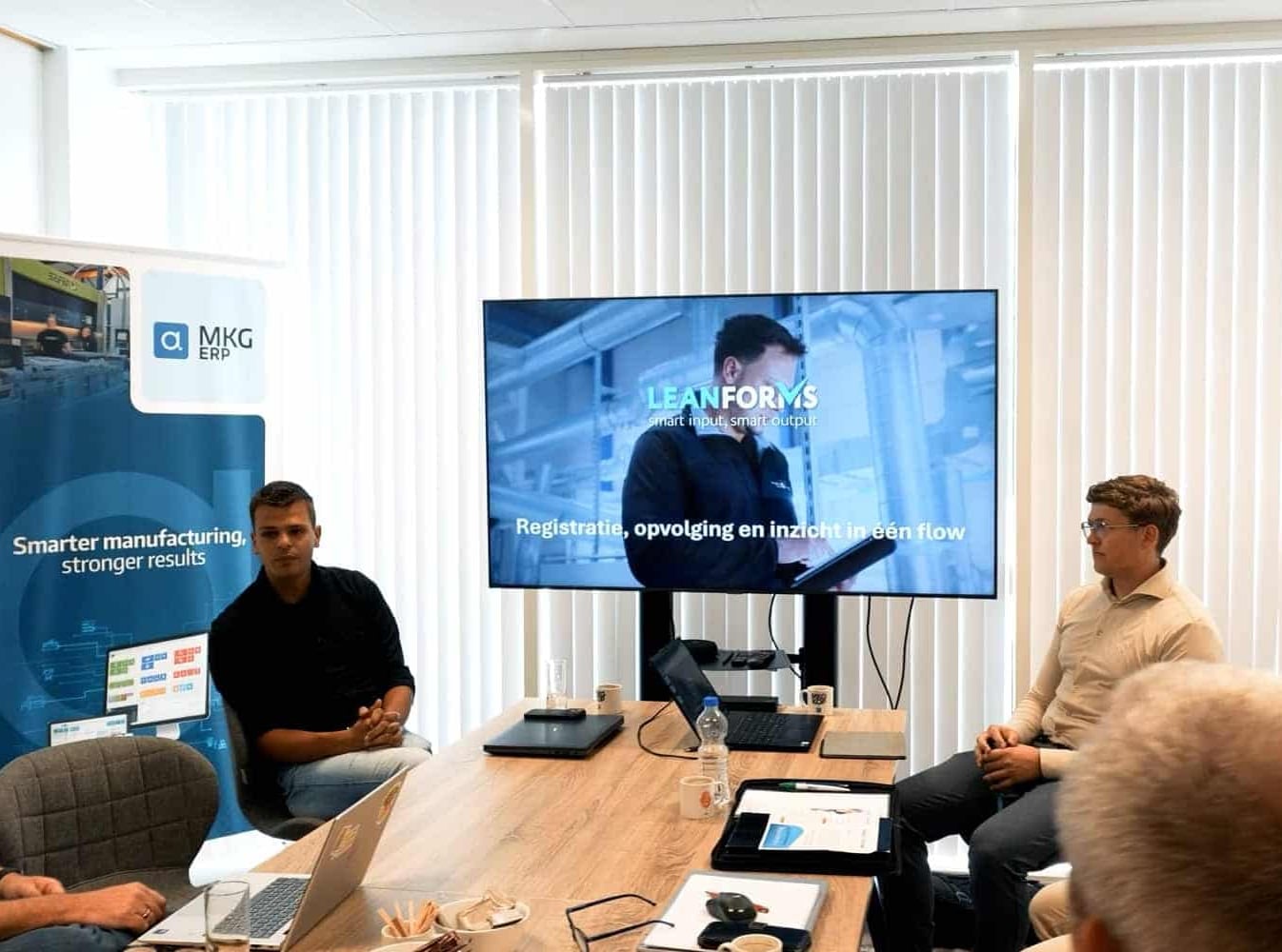
MKG & LeanForms Inspiration Afternoon
When shop floor data, process knowledge, and systems come together, clarity emerges. This interconnection was the focus of the MKG and LeanForms inspiration afternoon on July 1, 2026. At the Brainport Industries Campus (BIC) in Eindhoven, the discussion centered on how to make information from the field immediately usable within your processes.
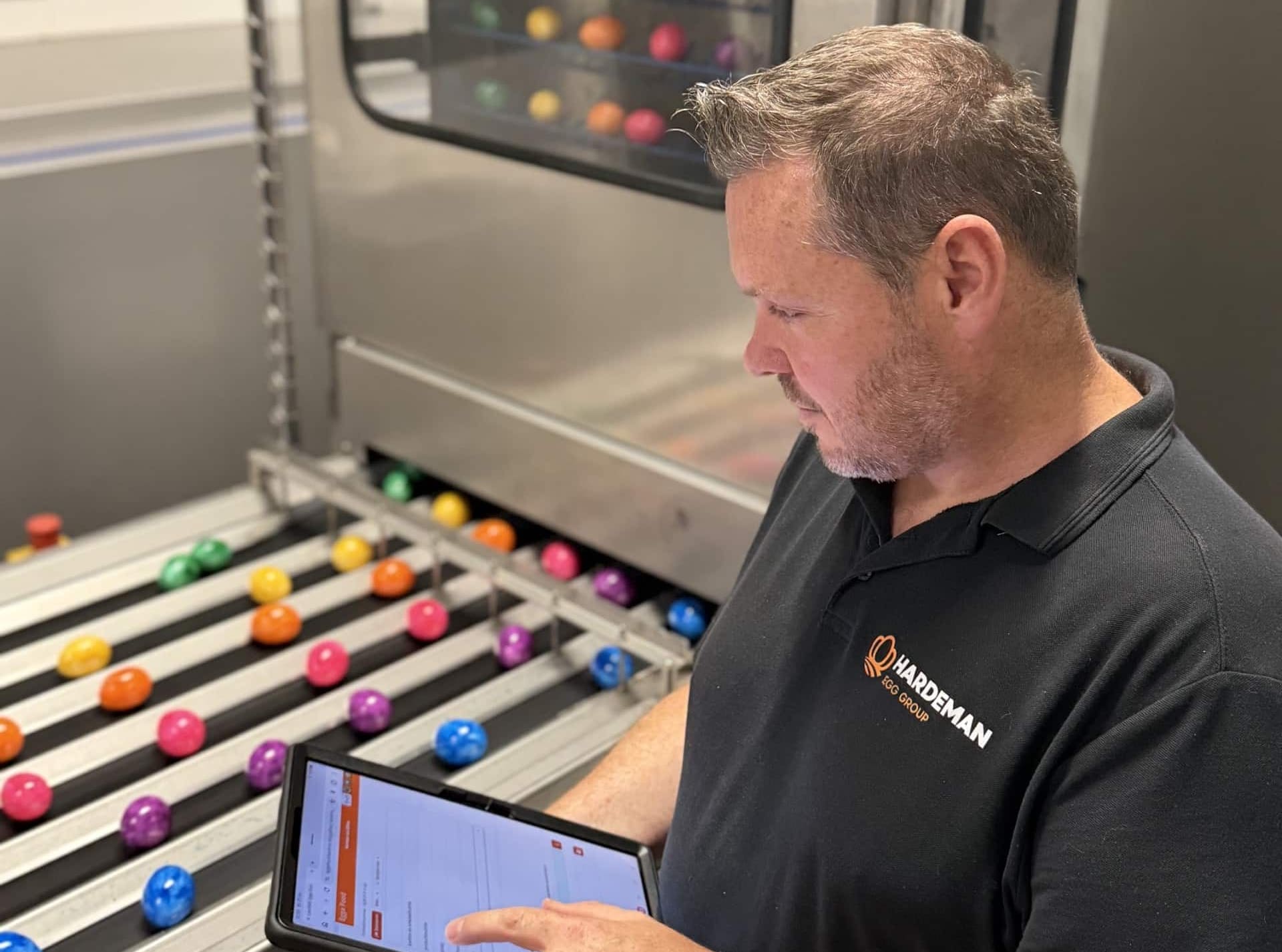
Customer Testimonial: Egga Food
Egga Food processes eggs and egg products for the retail, foodservice, and food-processing industries. Its three production facilities produce, among other things, fresh, hard-boiled, peeled, and dyed eggs.
Want to know more? Get in touch
Do you have questions or are you curious how LeanForms can support your organization? We are ready to answer all your questions! Get instant specialized advice on the best solution for your specific situation.

Tailor made solutions
No standard approach, but customized solutions. LeanForms adapts to your processes, not the other way around. Digitize smarter, work more efficiently and maintain full control, without IT complexity. From smart forms to automated workflows: We provide a solution that really works for your organization….