SIPOC
What is a SIPOC?
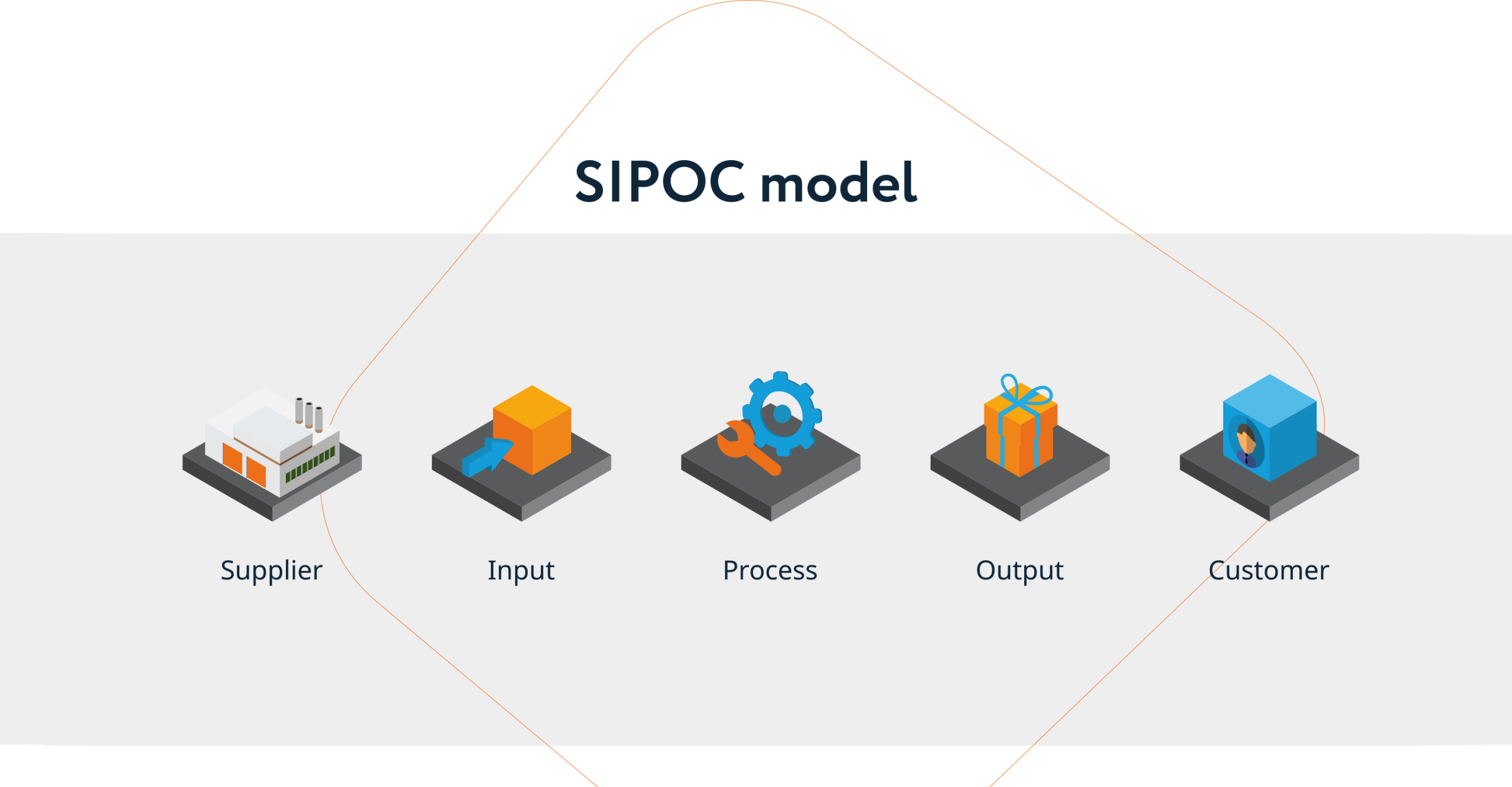
A SIPOC is a model you use to outline a process. The name stands for Suppliers, Inputs, Process, Outputs and Customers. With a SIPOC diagram, you can quickly understand how a process is structured, who is involved and what the most important inputs and outputs are.
When do you use a SIPOC?
A SIPOC is used to clearly and structurally map processes, often at the beginning of an improvement project.
This helps with, for example:
- Analyzing existing processes
- Preparing process improvements
- Creating overview and alignment
- Defining the scope of a process
A SIPOC is widely used within Lean and Six Sigma.
SIPOC in practice (example)
An organization wants to make the process of order processing transparent.
- Suppliers: Suppliers who provide products or information
- Inputs: orders and customer data
- Process: Processing the order
- Outputs: Delivered products and confirmations
- Customers: The customer who receives the order
How does a SIPOC diagram work?
A SIPOC diagram consists of five parts that together describe a process in outline form.
Suppliers provide the inputs to the process. Inputs are the information, materials or resources needed to carry out the process. The Process step describes the main steps in the process, without going into detail. Outputs are the results of the process and Customers are the recipients of these outputs.
The purpose of a SIPOC is to create quick overview and consistency, not to capture every detail.
SIPOC and digitization
Mapping and managing processes becomes easier when done digitally. This creates more insight and allows processes to be better analyzed and improved.
LeanForms supports organizations in this regard with digital forms and workflows, with which processes can be structured and optimized.
SIPOC stands for Suppliers, Inputs, Process, Outputs and Customers.
The goal is to outline a process and identify the key components and stakeholders.
A SIPOC provides an outline overview, while a process flow depicts a process step by step and in detail.
A SIPOC is usually used in the early stages of an improvement project to delineate the scope and process.
Related items

ISO 9001:2026: Change or Real Improvement?
ISO 9001:2026 will be published on September 16, 2026. What changes are being made, and what do they mean for your quality management system?

NIS2 and Dutch SMEs
Cybersecurity has long since ceased to be a matter solely for the IT department. With the enactment of the Cybersecurity Act, digital resilience has explicitly become the responsibility of board members and executive management.

MKG & LeanForms Inspiration Afternoon
When shop floor data, process knowledge, and systems come together, clarity emerges. This interconnection was the focus of the MKG and LeanForms inspiration afternoon on July 1, 2026. At the Brainport Industries Campus (BIC) in Eindhoven, the discussion centered on how to make information from the field immediately usable within your processes.
Customer Testimonial: Egga Food
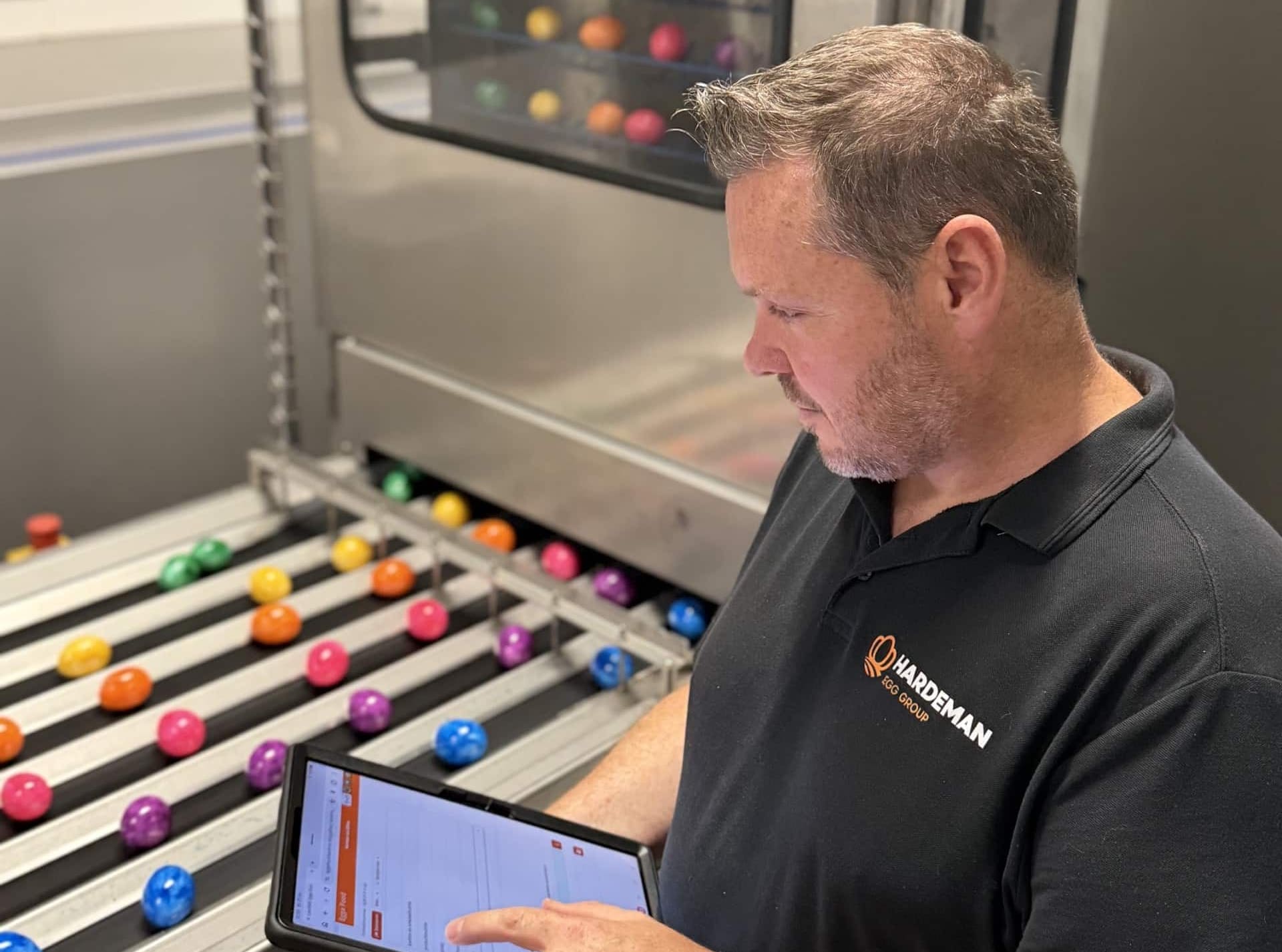
Egga Food processes eggs and egg products for the retail, foodservice, and food-processing industries. Its three production facilities produce, among other things, fresh, hard-boiled, peeled, and dyed eggs.
Want to know more? Get in touch
Do you have questions or are you curious how LeanForms can support your organization? We are ready to answer all your questions! Get instant specialized advice on the best solution for your specific situation.

Tailor made solutions
No standard approach, but customized solutions. LeanForms adapts to your processes, not the other way around. Digitize smarter, work more efficiently and maintain full control, without IT complexity. From smart forms to automated workflows: We provide a solution that really works for your organization….