Smart Data Exchange: saving costs and increasing insights
Smart data exchange
Data sharing between software applications is a key element in modern information management systems. It enables organizations to share and leverage data, making business processes more efficient and providing valuable insights. However, many enterprises miss this opportunity because they think it is technically complex, expensive or simply never considered the possibilities.
Data exchange the key to good information flows
There are data sources in every organization that guide business processes. Think of project data in the construction industry, article codes in manufacturing companies or order numbers in service companies. This data is usually managed centrally in, for example, an ERP system.
But not all business activities are fully supported by the central system, often resulting in many manual transactions via forms or Excel files to trace this data back to the source.
This process is not only labor-intensive, but also leads to input errors, which can result in additional costs, disruption of internal work processes and customer and supplier dissatisfaction. Ensuring data quality is therefore important for efficient operations.
Techniques for digital data exchange
With technological advances, there are extensive opportunities to exchange data between applications and create data links. An API allows software applications to communicate with each other and exchange data. However, files can also be exchanged using XML, JSON, CSV or other formats. Or even a webhook, where applications are able to receive real-time notifications when specific events occur in other applications.
But can you still see the forest for the trees? It is important to determine in advance exactly what you want to achieve. And leave the technical interpretation to the techies. It is a relatively small investment that can save a lot of time and money.
Cost reduction through data exchange with smart forms
An ERP license is relatively expensive, and for employees who only use it for a limited number of activities, it is often not very user-friendly.
Consider, for example, time sheets, leave requests and expense claims. An inexpensive alternative is a smart web form that exchanges information in the background with the ERP system’s database. In addition, smart web forms are often a good alternative to expensive customization in an ERP system.
A current practical example is complaint registration. In the ERP package, only the costs are listed with the order. However, the digital form also contains the option of recording the results of the investigation into the cause and setting out actions. After settlement of the complaint, the expenses are imported via an API into the ERP system at the relevant order. Within the forms system, however, all complaints can also be analyzed for trends in a powerful way to continuously improve operations.
Continuous improvement through data linkages
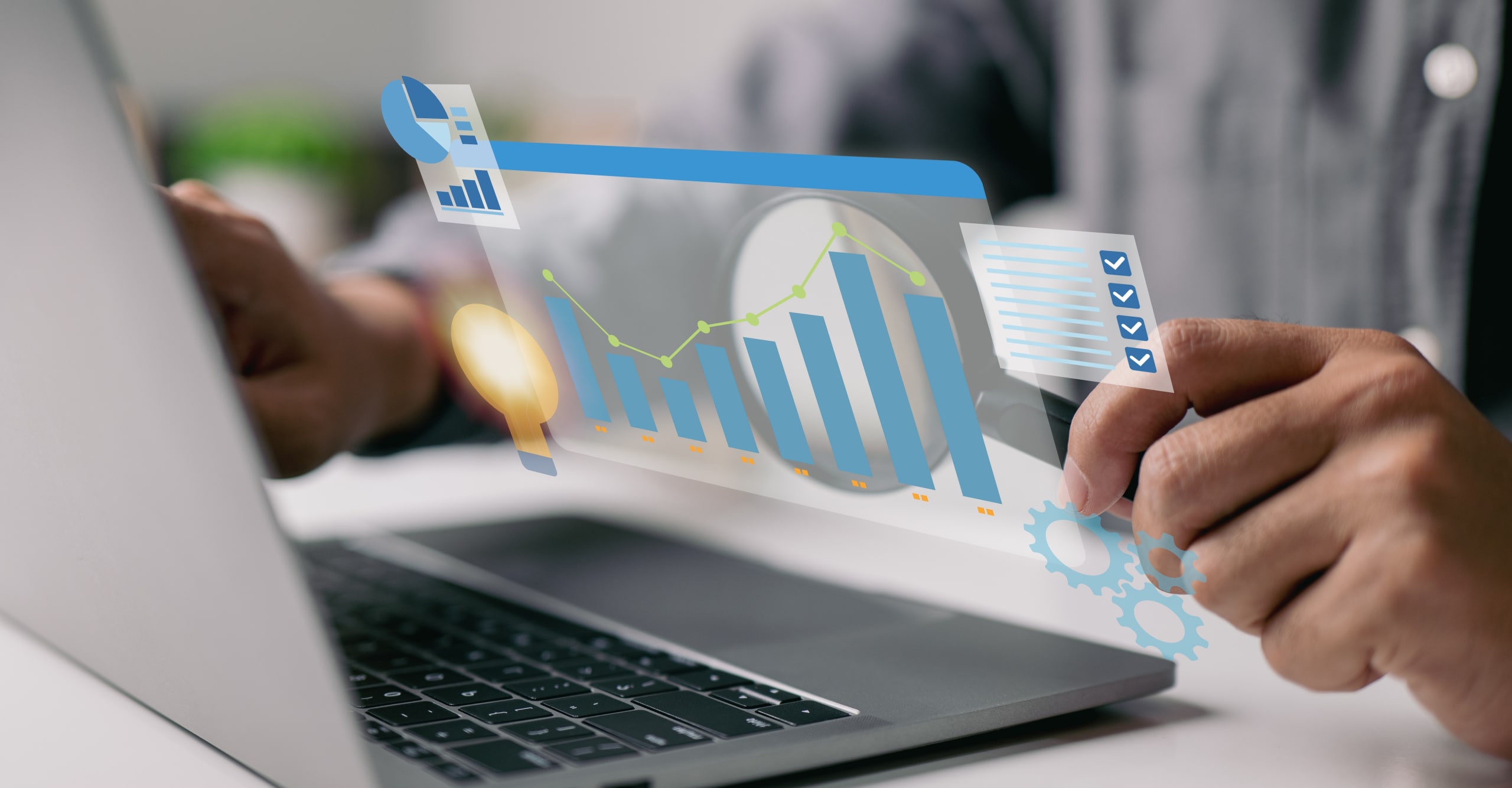
Business Intelligence is the methodology to analyze data from business processes and, where possible, further optimize business operations. But again, the quality of the data sources is an important precondition. ‘Smart Input, Smart Output’ is not our slogan for nothing.
Data from different applications can thus also be collected in a central data warehouse. This process can be automated periodically. Systematically analyzing and visualizing this data in clear dashboards helps in making the right decisions. The project manager who used to bring a thick binder to the meeting now uses a real-time dashboard with all the information at his fingertips.
Of course, this data exchange is also possible with the information from LeanForms forms.
Doing more with available corporate data?
If you want to take the improvement step with smart information management in your organization, we recommend taking small steps. If loose lists and Excel files are still relatively abundant in the company, then first consider an improvement step with LeanForms’ smart forms. Or are you already a bit further along and want to extend the functionality of the ERP system without expensive customization? Then get in touch with us.
PDCA also requires leadership
Obviously, managers must be aware of their role. The success of PDCA requires commitment and support from managers. This applies not only to time and resources but most certainly also in monitoring progress and results in improvement processes. Managers must therefore have a good overview of all planned activities within the organization. Digital tools and periodic consultation structures can help tremendously here, but it is ultimately people who make the difference.
To improve is to change
To avoid unwanted side effects when implementing improvements in organization and business processes, changes should be implemented in a controlled manner. A good management of change process is therefore always part of the PDCA improvement cycle. Here it is important that all stakeholders are informed in a timely and complete manner about the proposed change. Proper information leads to proper acceptance and implementation of the change.
Tips for PDCA implementation
Want to know more? Get in touch
Do you have questions or are you curious how LeanForms can support your organization? We are ready to answer all your questions! Get instant specialized advice on the best solution for your specific situation.

Related items
NIS2 and Dutch SMEs
Cybersecurity has long since ceased to be a matter solely for the IT department. With the enactment of the Cybersecurity Act, digital resilience has explicitly become the responsibility of board members and executive management.

Go with the (work) flow
Do you find that your work is slowed down by outdated, duplicate, or incorrect information? Many companies struggle with these kinds of delays due to inefficient information management.
GS1 codes directly applicable in LeanForms
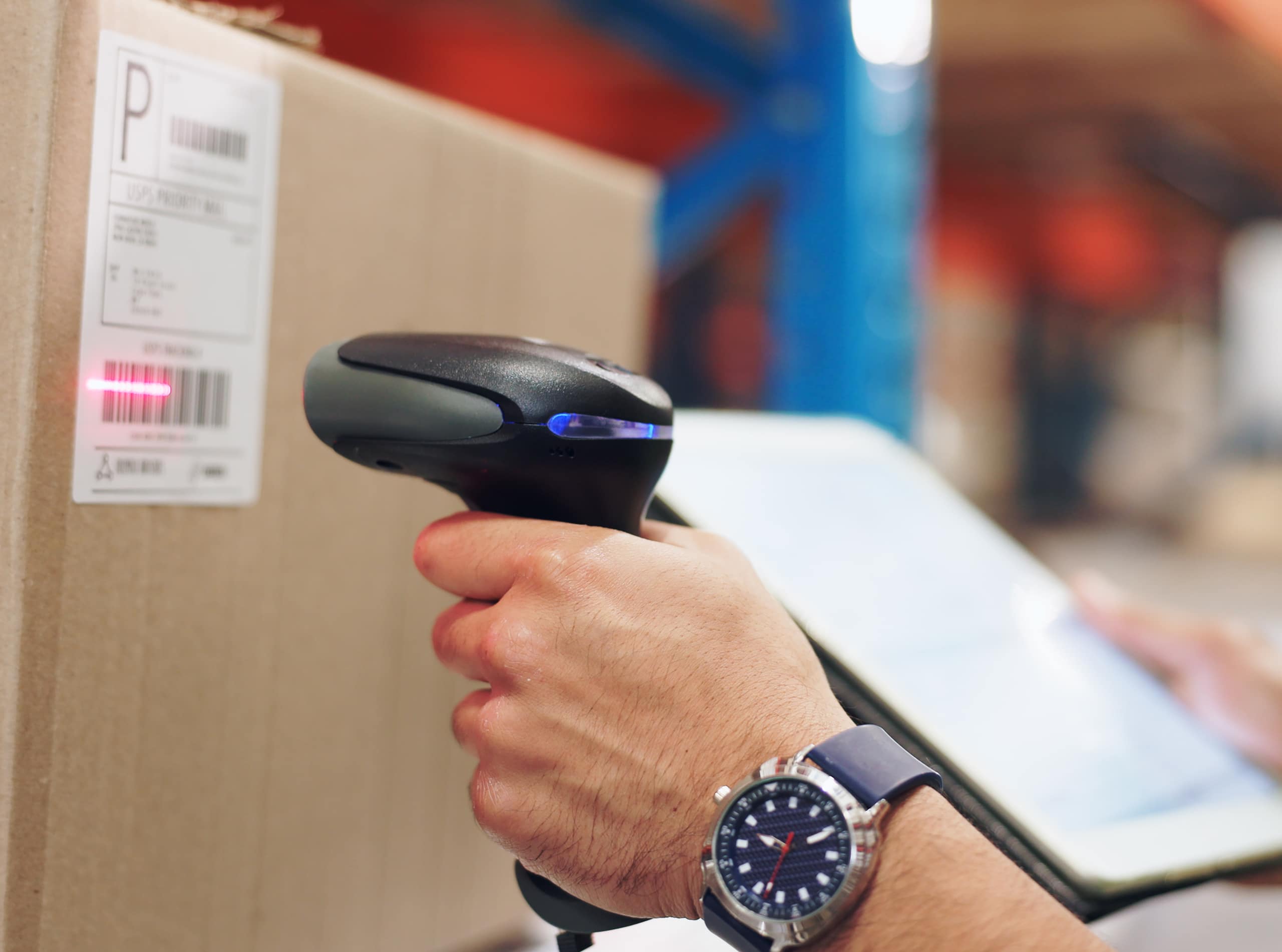
Apply GS1 codes directly in your processes? Find out how to integrate GS1 into digital forms and workflows with LeanForms, without customization.

Getting a grip on quality and safety: from capturing to improving
We often already record. But improving requires more than just recording.