How do you implement 5S in your quality management?
The 5s method is a great combination with quality management. With 5s, you will systematically clean up and rearrange your resources. Often only physical things on the shop floor are considered. But it is also often chaos within organizations when it comes to data and information.
With the 5s method, you can systematically clear away the chaos and ensure that a tidy workplace remains. As a result, it greatly increases efficiency in the work to be performed.
What is the 5s method?
5S is a Lean tool and a roadmap for a tidy workplace, to reduce waste in the workplace. It provides overview, peace and structure. (Source: LeanSixSignaGroup)
The 5s method is named after the 5 different steps you go through while executing (separate, arrange, clean, standardize and boost). The method focuses on preventing waste. An orderly (digital) workspace prevents lengthy searches or using an incorrect, wrong or duplicate file. The 5s method is not a one-time event and one must ensure that the entire organization is involved.
Only in this way will you gain insight into all existing information sources and be able to pinpoint bottlenecks. A well-organized digital workplace will speed up the turnaround time of business processes and increase quality.
Why is the 5s method important for quality management?
The PDCA improvement cycle is central to quality management. If one translates this to information management it means that one often has to search for the right information or one frequently uses wrong information. With the 5s roadmap, you ensure that (starting from the current undesirable situation) you strive for an end situation that improves business processes. Now and in the future. So it is a very practical way to improve quality within your organization. And after all, this is the ultimate purpose of a quality management system.

Want to know more? Get in touch
Do you have questions or are you curious how LeanForms can support your organization? We are ready to answer all your questions! Get instant specialized advice on the best solution for your specific situation.

Related items
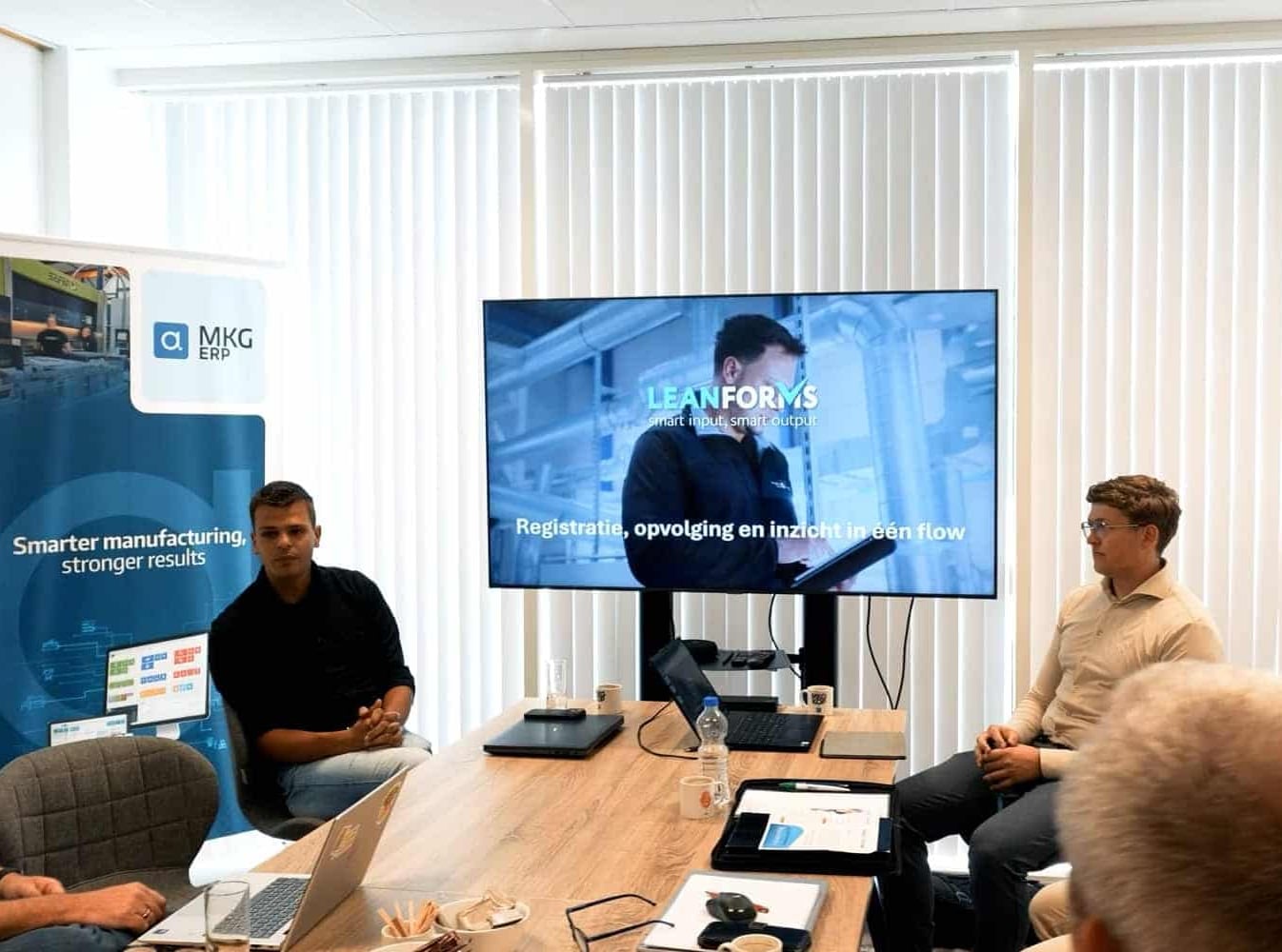
MKG & LeanForms Inspiration Afternoon
When shop floor data, process knowledge, and systems come together, clarity emerges. This interconnection was the focus of the MKG and LeanForms inspiration afternoon on July 1, 2026. At the Brainport Industries Campus (BIC) in Eindhoven, the discussion centered on how to make information from the field immediately usable within your processes.

What is quality management system?
Quality management is a catch-all term for many business owners. It is seen by managers as a necessary evil to hang the certificate on the wall. A proof of good behavior for the customers. However, if the principles of quality management are properly applied, they contribute daily to more efficient operations. And therefore to the bottom line. This is precisely why every organization can benefit from practical quality management. And surely that makes everyone happy.

Prospective risk analysis, smart execution one less worry!
With a prospective risk analysis, you analyze risks. The power of a good PRI is in its integration with daily activities.

RI&E: What Is It, and How Can You Turn It Into a Dynamic Tool?
An RI&E—which stands for risk inventory and evaluation—identifies the occupational risks within an organization. An action plan allows you to specify which measures are necessary, who is responsible, and when they will be implemented.